Does your gift-giving routine often feel like throwing darts at a board labeled "Acquaintance"? You buy something lovely—a fancy candle, a gourmet snack mix, perhaps an overly scented soap—and it lands with a polite thunk. It’s fine. It’s thoughtful in the way that mass-produced things are thought. But sometimes, you want to give something that makes the recipient stop and say, "Wow. They really get me."
The challenge of modern gifting is that everything is available, which paradoxically makes nothing feel unique. The goal isn't about spending more money; it’s about investing exponentially more thought. It’s about transforming an object into a conversation starter, turning a transaction into a moment of genuine connection. If you want to elevate your gift-giving game and find the best ways to make a gift feel bespoke and special, read on.
Thinking Beyond the Price Tag: The Power of Observation
The biggest myth about gifting is that monetary value equals emotional value. It doesn't. A $50 item bought off a general "best sellers" list will always feel less impactful than a deeply researched $15 item. To start making your gifts truly bespoke, you have to become an observer. You must see the person—not just their current material possessions or their social media feed.
What details do they casually mention? Do they complain about how hard it is to find quality coffee beans in their area? Are they constantly reading books on astrophysics, even if they pretend not to be interested? These small overheard moments are gold mines. They are the emotional coordinates for your gift-giving map.
For example, instead of buying a generic "self-care" basket (which usually contains bath bombs and candles), observe that your friend always mentions how much stress their job causes. A bespoke approach would involve curating items related to restorative activities—perhaps high-quality tea blends paired with a Father's Day Hamper for dad guided meditation app subscription—addressing the root problem, not just masking the symptoms.
Curating Experiences Instead of Accumulating Objects
One of the most profound ways to make a gift feel deeply personal is to give an experience rather than a physical object. Physical items have shelf lives; experiences create memories that last forever. This shift requires you to think like an event planner, even if the "event" is just a shared evening at home.
Consider this: Instead of buying your sister a nice picture frame and suggesting she prints out family photos, gift her a structured afternoon together—an amateur mixology class for two, or tickets to an exhibit related to her favorite obscure historical period. You are gifting time, attention, and novelty.
What’s more important than the physical item itself? It's the story attached to it. If you can wrap up a meaningful experience in a beautiful narrative, that gift will shine brightly. How about focusing on shared enjoyment? Are there local things your friend would genuinely enjoy doing with someone they care about?
The Magic of Presentation: Crafting the Narrative Around the Gift
Many people overlook this step because it feels like mere wrapping paper and ribbon. But I promise you, the presentation is where the magic ingredient—the effort—is visually communicated. It’s your chance to tell a story before they even unwrap anything.
Think of the packaging not as a container, but as an extension of the gift's meaning. If the gift relates to gardening, don't use plain cardboard; wrap it in brown butcher paper and tuck in a dried sprig of rosemary or some twine that looks rustic and earthy. The whole presentation must feel cohesive—it should be a miniature mood.
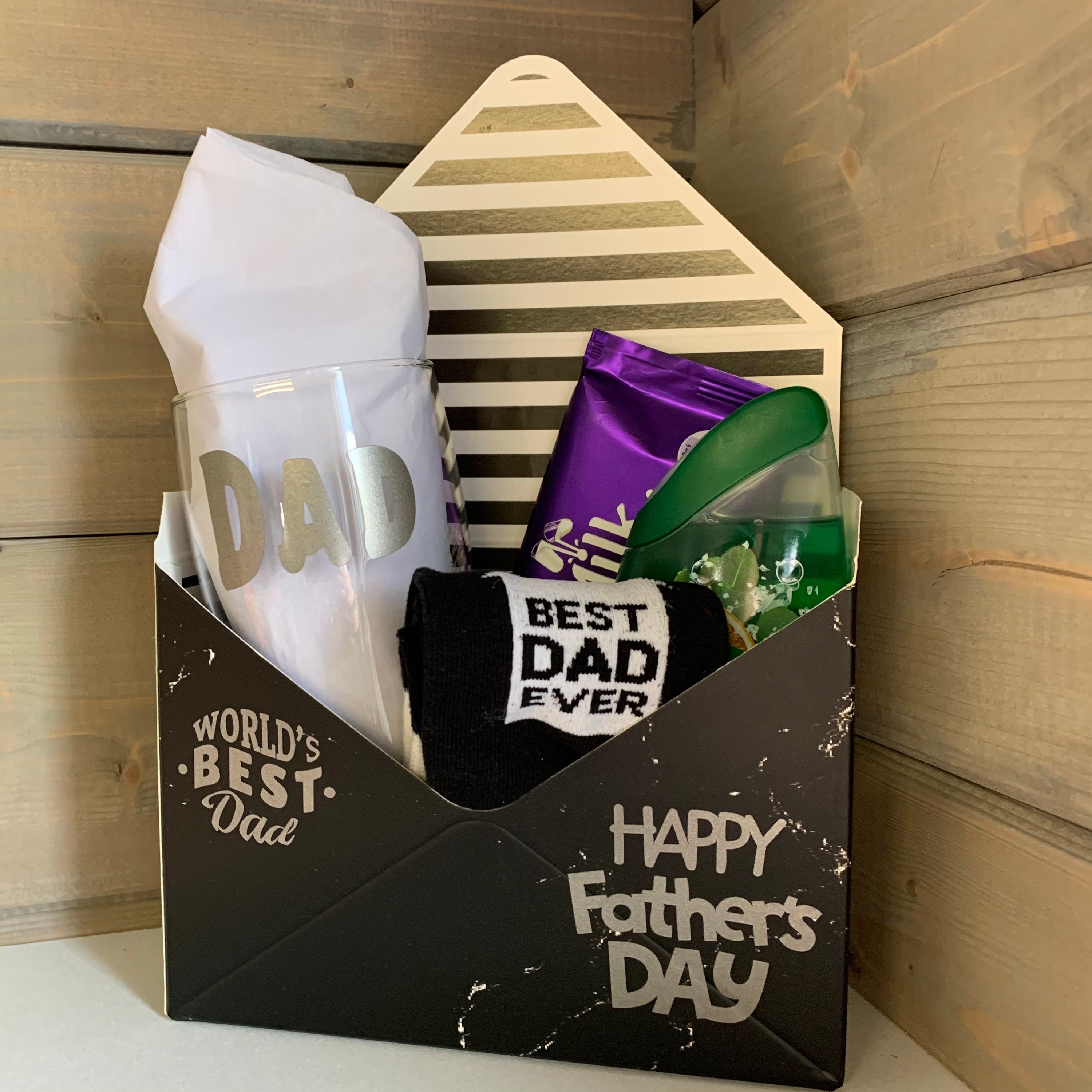
I once gave a friend who had just moved into a tiny apartment a collection of beautiful, oversized vintage kitchen linens. Instead of simply handing them over, I spent an hour wrapping each cloth individually with personalized notes attached to the folds, suggesting exactly how and when they could use it (e.g., "For Sunday morning toast ritual"). The sheer time investment made the whole thing feel monumental.
As the saying goes, "The wrapper is as important as the gift." Don’t underestimate the power of a handwritten card that isn't just "Happy Birthday," but that references an inside joke or a recent struggle they overcame. What little detail will make them think, "Only they would know this"?
Tailoring Gifts to Deeply Known Interests and Passions
This is where you move from being generally thoughtful to genuinely insightful. To find the best ways to make a gift feel bespoke and special, you must become an expert in your recipient's niche passions. This requires homework—the good kind of research.
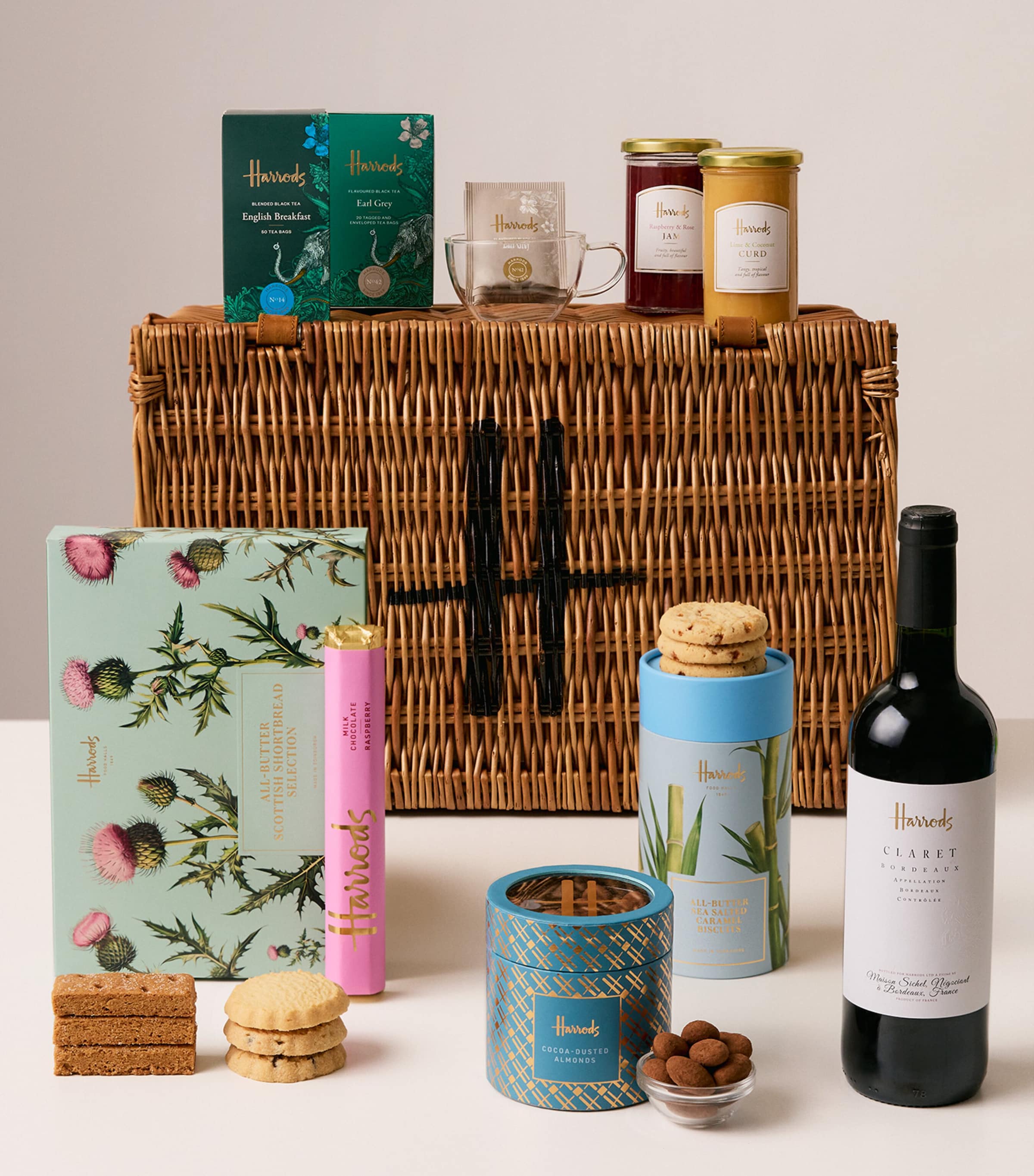
If they love astronomy, don't just buy a book about stars; look up local amateur viewing groups or specialized star-gazing equipment that fits their current budget and skill level. If they are obsessed with vintage film cameras, find a rare, working accessory for the make and model they already own. This level of specificity shows you haven't just scrolled through Amazon; you have genuinely paid attention to their specific joy.
It’s like being a literary detective: knowing which obscure corner of their inner world to pull the perfect item from. Does this approach feel overwhelming? Not at all. It simply means shifting your mindset from "What should I buy?" to " What do they love, and how can I enhance that specific thing?"
Cultivating Thoughtfulness Beyond a Single Occasion
The most successful gifting strategies don't wait for the holidays or even birthdays. They are woven into the rhythm of friendship and family life. The true art lies in consistent thoughtfulness—the gentle reminders that they matter, regardless of the calendar date. Making a gift feel bespoke isn’t an event; it's a habit of observation.
- Celebrate Micro-Wins: Did they finally finish that difficult work project? Send a small box of celebratory treats and a note acknowledging their resilience. The "Just Because" Drop-Off: Bring over a favorite snack, not because they are sick or celebrating, but just because you thought about them while driving past the bakery. Resource Sharing: Instead of buying an item, send links to three articles or podcasts that relate directly to a topic they’ve been discussing and show that you remember it.
By treating every interaction as a potential opportunity for connection, your gifts will stop being objects and start becoming anchors of memory. The goal is not perfection; the goal is proof—proof that they occupy space in your mind.
Continuing the Art of Thoughtful Connection
The power to make any gift feel bespoke rests entirely on the willingness to slow down and pay attention. As you continue to practice this art, remember that the richest gifts are those that require time, research, and empathy. Start small: listen more than you usually do during casual conversations. Ask open-ended questions about what they love doing, not just what they have. By making observation your primary gift skill, every future gesture—no matter how small—will feel powerfully personal, ensuring that the next time you give a present, it lands with that perfect, undeniable ding of genuine connection.