If you’ve been scrolling through Pinterest boards late at night, feeling that familiar mix of inspiration and creeping dread, we need to talk about gift shopping. Specifically, Father's Day gifts.
Let's get one thing straight right upfront: Click here for more there is no magic date on the calendar that magically makes gift-giving easy. In fact, if you wait until the last minute, the pressure feels like trying to assemble IKEA furniture blindfolded—stressful, confusing, and prone to things not fitting correctly.
Most people ask, "When should I start shopping?" And while a literal answer is always now, that’s unhelpful. What you really need to know isn't a date; it's a strategy. It’s about shifting your focus from the stressful act of buying to the enjoyable process of discovering.
The goal of a premium gift isn't just expense; it's thoughtfulness, presentation, and perceived effort. And that takes time. Ready to trade the panic for preparation? Let’s walk through how you can approach this task with confidence.
The Mindset Shift: From Deadline Management to Detective Work
If your first instinct when thinking about Dad gifts is to open Amazon right now, stop. Take a breath. Gift shopping should feel more like an enjoyable archaeological dig than a frantic clearance sale.
The key difference between last-minute gifting and thoughtful gifting is the time spent in the discovery phase. When you start early, you aren't looking at products; you are gathering intelligence on his life.
Instead of asking yourself, "What expensive thing should I buy him?" try these questions:
- What small complaint has he mentioned recently? (e.g., "Man, my coffee setup is ancient.") What does he do when he thinks no one is watching? (The gardening corner? The old record player?) What activity makes him lose track of time?
This detective work—this quiet observation—is the most valuable gift research you can do. It allows you to move past generic "Dad" ideas and land on something that feels deeply specific to him.
Three Timelines for Gift Success (Spoiler: Starting Early Wins)
If we have to assign a timeline, think of it in phases, rather than hard deadlines. This framework helps ease the pressure:
🕰️ Phase One: The Inspiration Window (4–6 Weeks Out)
This is when you start with the mindset shift described above. You aren't buying anything yet! Your job here is pure research. Spend time gathering anecdotes and noticing routines. If he loves whiskey, start looking at regional distilleries—not just expensive bottles, but stories about the bottles. This phase builds your mental database of possibilities.
🧺 Phase Two: The Curating Window (3–4 Weeks Out)
Now that you have a few strong leads (e.g., "He loves grilling," or "He needs better reading materials"), it’s time to look at solutions that bundle experience and quality. This is where the convenience factor becomes your best friend.
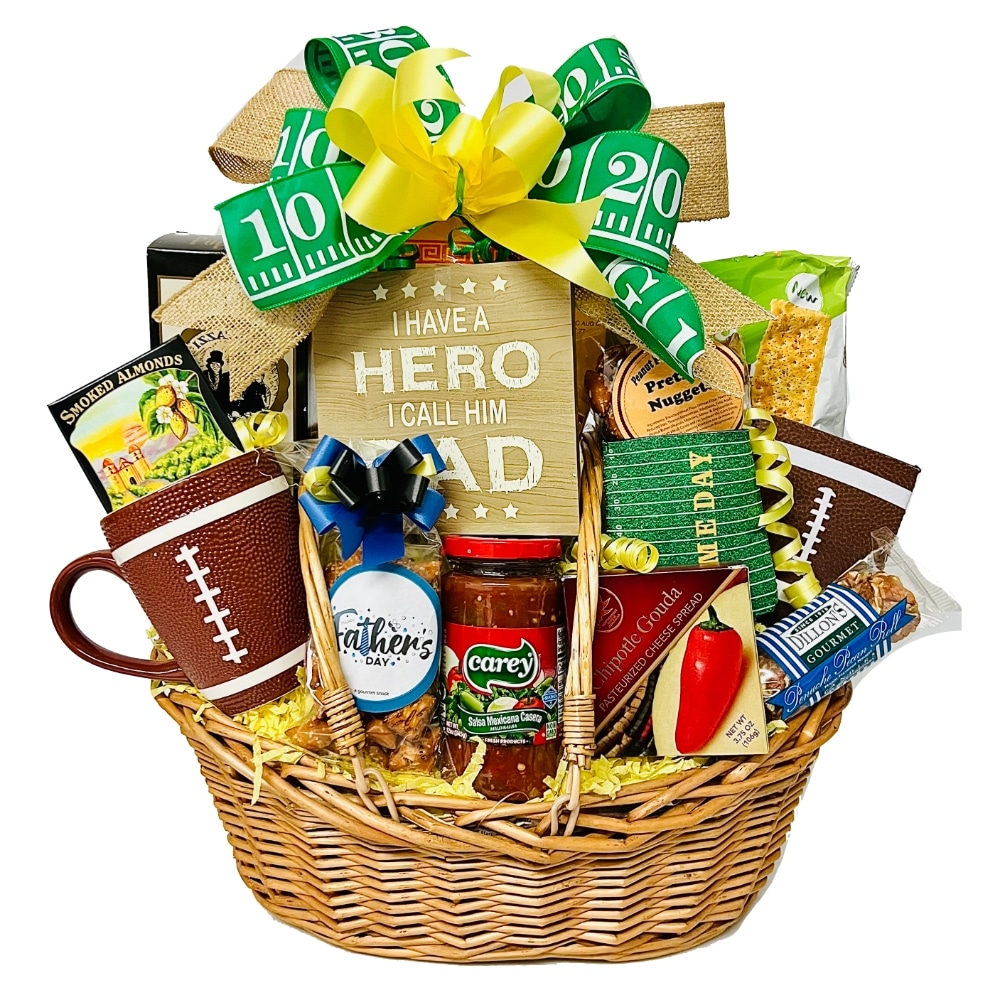
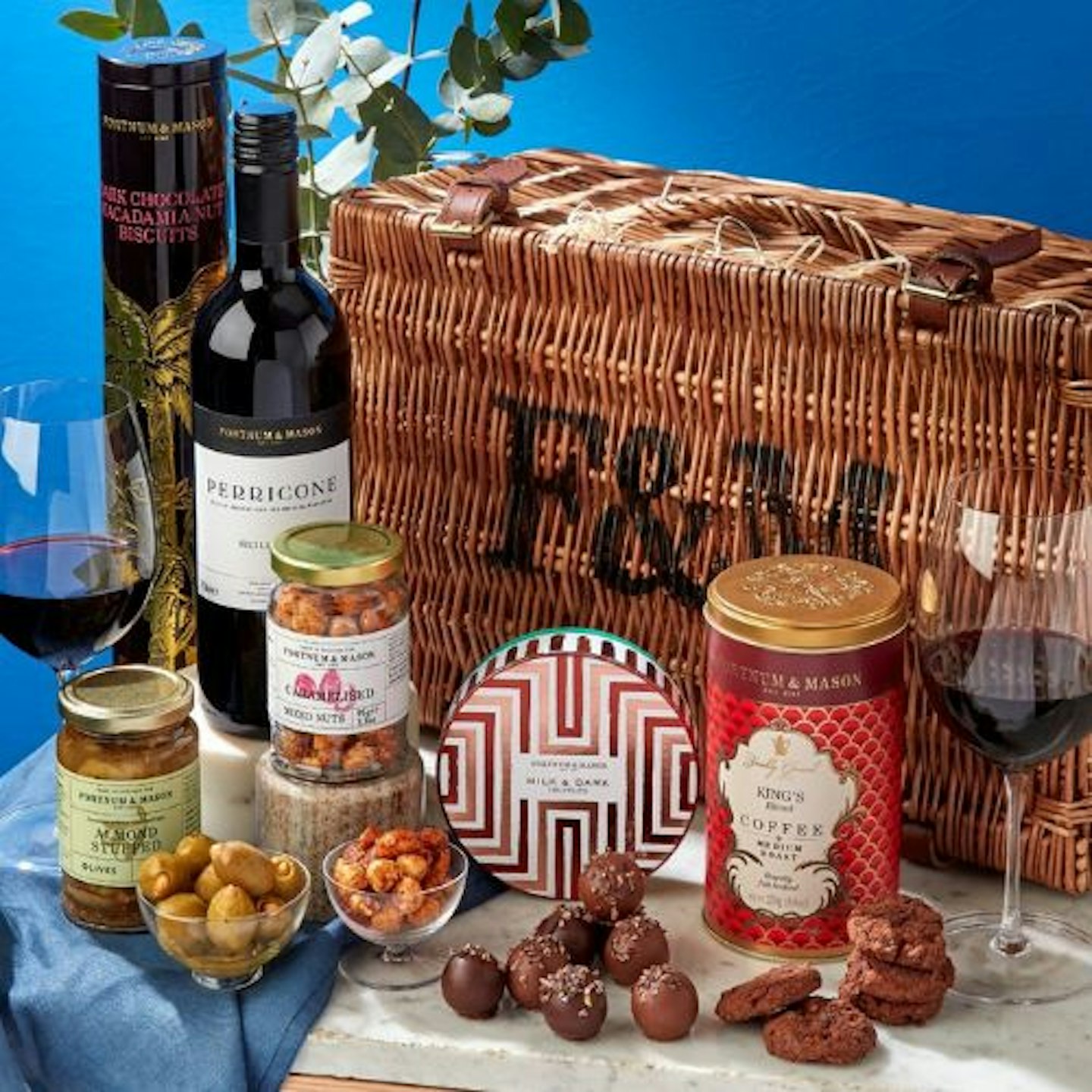
Instead of buying seven separate things—a coffee grinder, three new shirts, gourmet snacks, etc.—consider a curated gift basket. These pre-vetted collections are brilliant because they instantly convey "I put thought into this whole package" without requiring you to source every single item yourself. They save time while maximizing the perceived luxury and effort.
✨ Phase Three: The Final Polish (1–2 Weeks Out)
By this point, you should have a concept or even a gift basket assembled. This phase is about refinement. Do the ribbons match? Is the card genuinely handwritten? Does everything fit together beautifully? Focus on presentation—the wrapping, the accompanying Check out here note, and the timing of the reveal.
The Power of the Thoughtfully Curated Experience
When people talk about "premium" gifts, they often associate it with dollar signs. But the best premium gifts are those that deliver an experience or a moment, not just a physical item. They make the recipient feel seen, understood, and appreciated for who he is—the complex mix of hobbies, quiet moments, and unique quirks.
I remember shopping for my father years ago. I was overwhelmed by gadget recommendations and steak knives. Then, while browsing an online collection of Australian artisan gifts, I stumbled across a basket themed around local charcuterie and wine pairings. It wasn't just the expensive items; it was how they were arranged—the little note explaining why those specific cheeses complemented that region's honey. Suddenly, the gift felt coherent, curated, and deeply sophisticated.
It hit me then: the ultimate gift is not a collection of luxury goods, but a story told through objects.
This idea echoes a piece of wisdom I overheard from an artisan shop owner recently: "The most expensive thing you can give someone isn't gold; it's your undivided attention." It’s about showing up for his interests.
Beyond the Box: Making the Memory Last
Once the physical shopping is done, remember that the gift itself is only half the equation. The lasting impact comes from how you present it and what you do with it.
Here are a few ways to elevate the moment:
- The Reveal: Don't just hand over a box. Create an environment for the unboxing—a nice spot, maybe some music playing softly in the background. The Action Plan: If you buy him gear for a hobby (like fishing or cooking), plan to do that activity with him. The gift becomes shared time, which is always premium. The Handwritten Note: Never underestimate this. A short note detailing one specific memory of him—something funny from the last year, or something you admire about his character—makes every other purchase feel redundant.
By treating gift shopping not as a hurdle to jump over, but as an opportunity for deep connection and discovery, you transform stress into strategic fun. You stop chasing trends and start celebrating him. And that's how you ensure the appreciation lands exactly right.