Choosing a gift for a new arrival is a delightful rite of passage, but it can also feel like a tightrope walk—balancing practicality, sentiment, and the growing awareness of our planet’s fragility. If you’re wondering, where can I find eco‑friendly baby gift hampers? you’re in the right place. In this article we’ll explore why green hampers matter, where to locate them, what truly makes them sustainable, and how you can even craft your own. By the end, you’ll baby gift baskets have a roadmap that turns a simple present into a thoughtful, planet‑loving statement.
The Green Gift Landscape: Why Eco‑Friendly Hampers Matter
Ever noticed how a baby’s first blanket can feel like a hug from nature itself? The choice of baby products has ripple effects far beyond the nursery. Eco‑friendly hampers reduce waste, lower carbon footprints, and introduce families to kinder alternatives right from the start.
The Environmental Impact of Baby Products
- Plastic: Many baby items—bottles, pacifiers, wipes—are made from single‑use plastics. Chemicals: Conventional lotions and soaps often contain parabens and synthetic fragrances. Packaging: Shrink‑wrapped gift sets contribute to landfill overflow.
When you opt for a hamper that prioritizes biodegradable or reusable components, you’re essentially saying, “I care about the future of this little one’s world.”
Social Responsibility in Parenting
Beyond the environment, eco‑friendly gifts support ethical labor practices, fair trade sourcing, and community empowerment. A hamper that includes locally produced organic cotton swabs or fair‑trade baby food not only reduces your ecological footprint but also uplifts artisans and farmers.

> “We do not inherit the earth from our ancestors; we borrow it from our children.” – Unknown
This quote reminds us that every gift is an act of stewardship.
Where to Search: Top Places for Eco‑Friendly Baby Gift Hampers
Finding the perfect green hamper doesn’t require a treasure hunt; it’s more like a guided tour of modern, mindful marketplaces.
Online Marketplaces
- Etsy: A haven for handmade, upcycled items. Amazon’s “Eco‑Friendly” filter: Quickly narrows choices to certified products. Etsy’s “Baby & Kids” shop section: Many sellers specialize in eco‑friendly nursery goods.
Specialty Stores
- The Honest Company: Known for non‑toxic baby products. Burt’s Bees Baby: Offers organic cotton clothing and skincare. Seventh Generation: Focuses on sustainable household items.
Local Artisan Markets
- Farmers’ markets: Look for stalls selling locally sourced organic baby food. Craft fairs: Often feature handmade wooden toys and natural dyes. Pop‑up eco‑shops: Seasonal markets can have curated gift sets.
Subscription Boxes
- Earthship Baby: Monthly deliveries of organic, biodegradable items. Little Green Box: Focuses on plant‑based snacks and eco‑toys. Eco‑Baby Co.: Curated hampers tailored to developmental stages.
> “The best way to predict the future is to create it.” – Peter Drucker
> A reminder that your gift can set a tone for lifelong eco‑conscious habits.
What Makes a Hamper Truly Eco‑Friendly?
It’s tempting to assume that a “green” label automatically guarantees sustainability, but the reality is a bit more nuanced. Here’s what to look for:
Sustainable Materials
- Bamboo: Fast‑growing, renewable, and naturally antibacterial. Organic cotton: Grown without pesticides or synthetic fertilizers. Recycled paper: For packaging, ensuring no new trees are felled.
Organic and Non‑Toxic Products
- Paraben‑free lotions: Avoids potential endocrine disruptors. Phthalate‑free toys: Reduces exposure to harmful plastics. Natural dyes: Derived from plants rather than synthetic chemicals.
Packaging Practices
- Minimalist design: Less cardboard, no plastic wrap. Reusable containers: Cloth bags or wooden boxes that can be repurposed. Biodegradable inks: For any printed materials.
A truly eco‑friendly hamper is a symphony of responsible choices that harmonize with nature.
Crafting Your Own Eco‑Friendly Hamper: A DIY Alternative
Sometimes the most personal gift is one you assemble yourself. Think of it as a “gift basket” that’s as green as a newborn leaf.
Selecting Items
- Organic baby wipes: Look for 100% cotton and water‑only formulas. Natural rubber pacifiers: Free from BPA and phthalates. Handmade wooden toys: Sourced from sustainably managed forests. Homemade baby food: Cooked and packed in reusable glass jars.
Choosing Reusable Containers
- Mason jars: Perfect for food items and can double as storage. Cloth baskets: Easy to clean and can be used again. Bamboo boxes: Durable and stylish.
Remember, the goal is to create a hamper that feels like a warm hug from nature—one that can be reused, repurposed, or recycled with ease.
Making Your Selection Count: Tips for Choosing the Right Hamper
When the list of options seems endless, a few guiding principles can help you narrow down the best choice.
Consider the Recipient’s Lifestyle
- Urban families: Might appreciate compact, multi‑use items. Eco‑activists: Seek products with transparent supply chains. New parents: Value convenience and safety.
Budget‑Friendly Options
- Bulk purchases: Buying in larger quantities often reduces per‑item cost. Seasonal sales: Look for promotions around baby showers or holidays. Local crafts: Often cheaper than imported goods and support the community.
> “A small act of kindness can spark a cascade of positive change.” – Anonymous
This encourages you to think beyond the price tag and focus on the impact of your gift.
The Perfect Gift Awaits
Choosing an eco‑friendly baby gift hamper is more than a present—it’s a statement of values, a promise to future generations, and a gentle nudge toward a greener world. Whether you find a ready‑made set in an online marketplace, browse a local artisan market, or craft your own, the key is to ensure that every component reflects sustainability, safety, and thoughtful design.
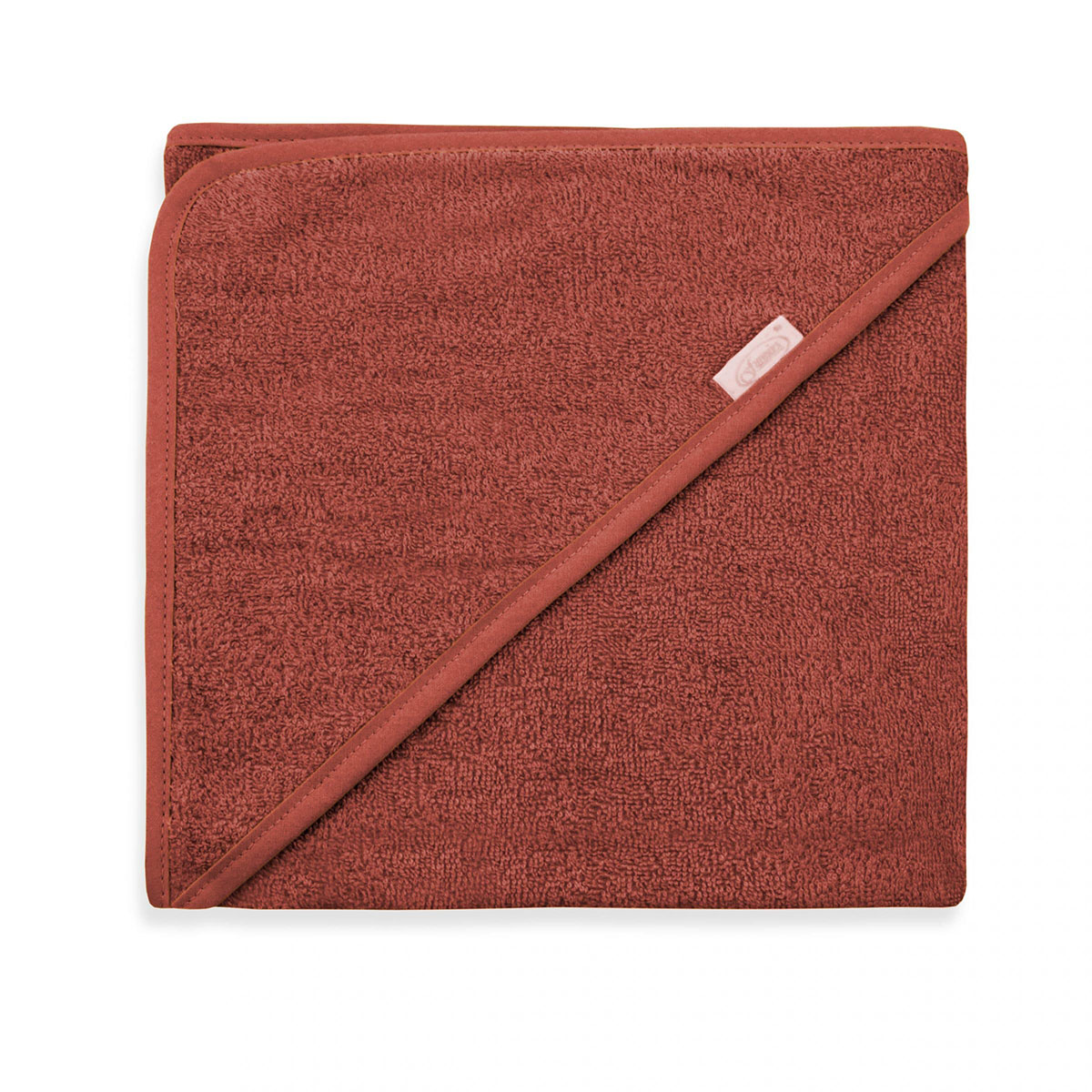
So next time you ask, where can I find eco‑friendly baby gift hampers? remember that the answer lies not just in a specific store or website, but in the mindful choices you make. Your gift can be the first lesson a child learns about caring for the planet—one that will echo long after the baby’s first steps.